Notes
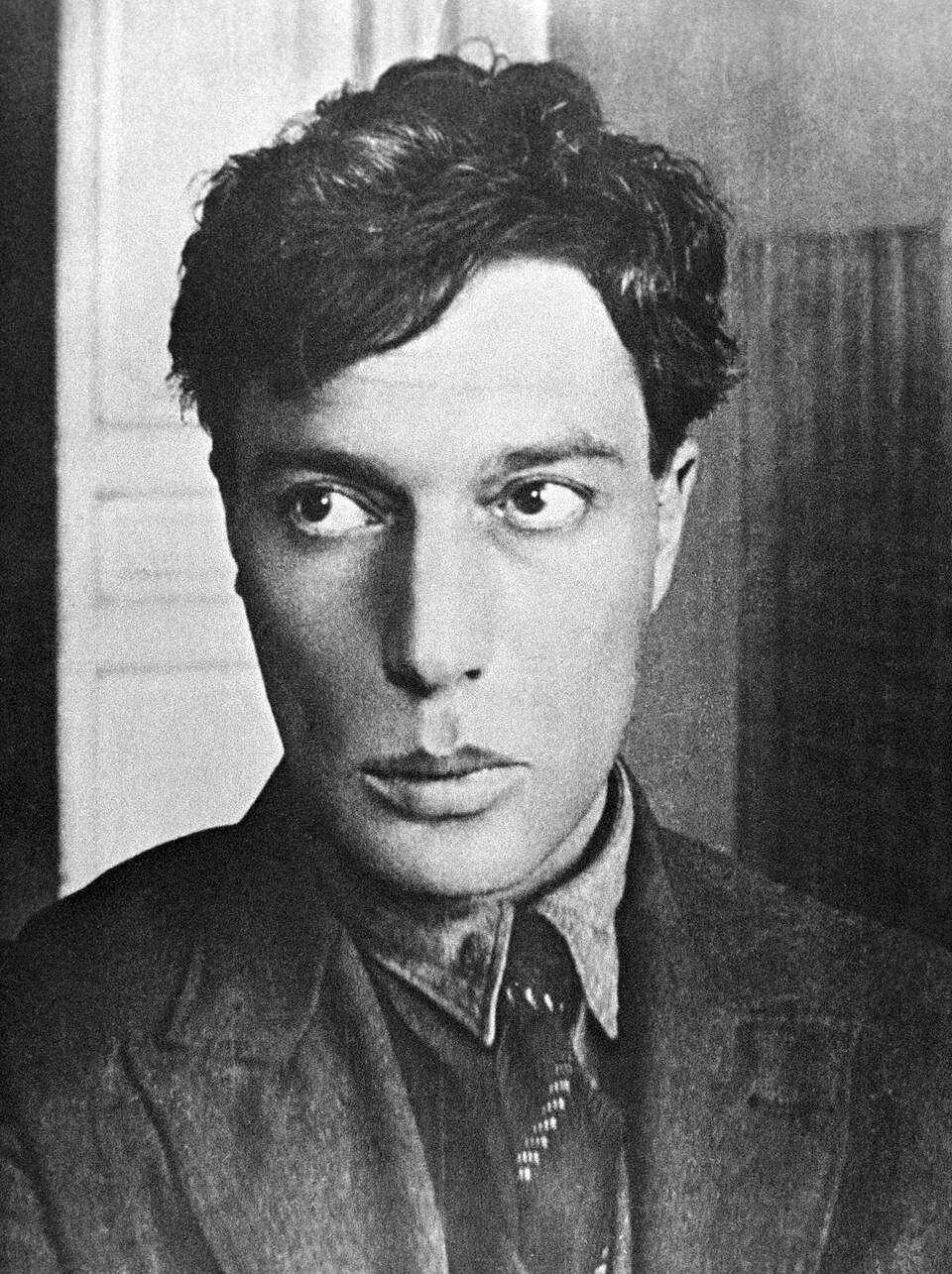
The Nobel Prize He Wasn't Allowed to Celebrate… *23 October 1958 — 68th anniversary of Boris Pasternak's Nobel Prize* On 23 October 1958, the Swedish Academy awarded Boris Pasternak the Nobel Prize in Literature. The writer was delighted. Moscow regarded this as a dangerous symptom. *Doctor Zhivago* was not a party manifesto. That was precisely what troubled the regime. It was about a man with thoughts, feelings, and even a conscience of his own — all without state supervision. A highly suspicious way to live. The state, officially devoted to freeing humanity, grew nervous when someone tried being free without its permission. The novel could not be published at home. Published abroad, the novel found its readers, while its author received the Nobel Prize in Literature. Apparently, world literature had failed to obtain clearance from the Party committee. Then came the press campaign, expulsion from the Writers' Union, and threats of exile. The organisation meant to represent writers represented the authorities instead, with exemplary discipline. Pasternak was eventually forced to decline the prize. Voluntarily, of course. In a dictatorship, the word has a rather special meaning: someone else writes the threat; the victim sends the refusal. The Nobel Prize still stood. So did the novel. An entire state apparatus sprang into action to prevent one writer from collecting a medal. Yet it never managed to impose a publication ban on his conscience. In February, I wrote a separate essay on inner freedom in *Doctor Zhivago*: *The Price of Inner Freedom*.
Comments
Loading comments…