Topic
Power & society
Writing on authority, politics, social habits and the language that makes power appear ordinary.
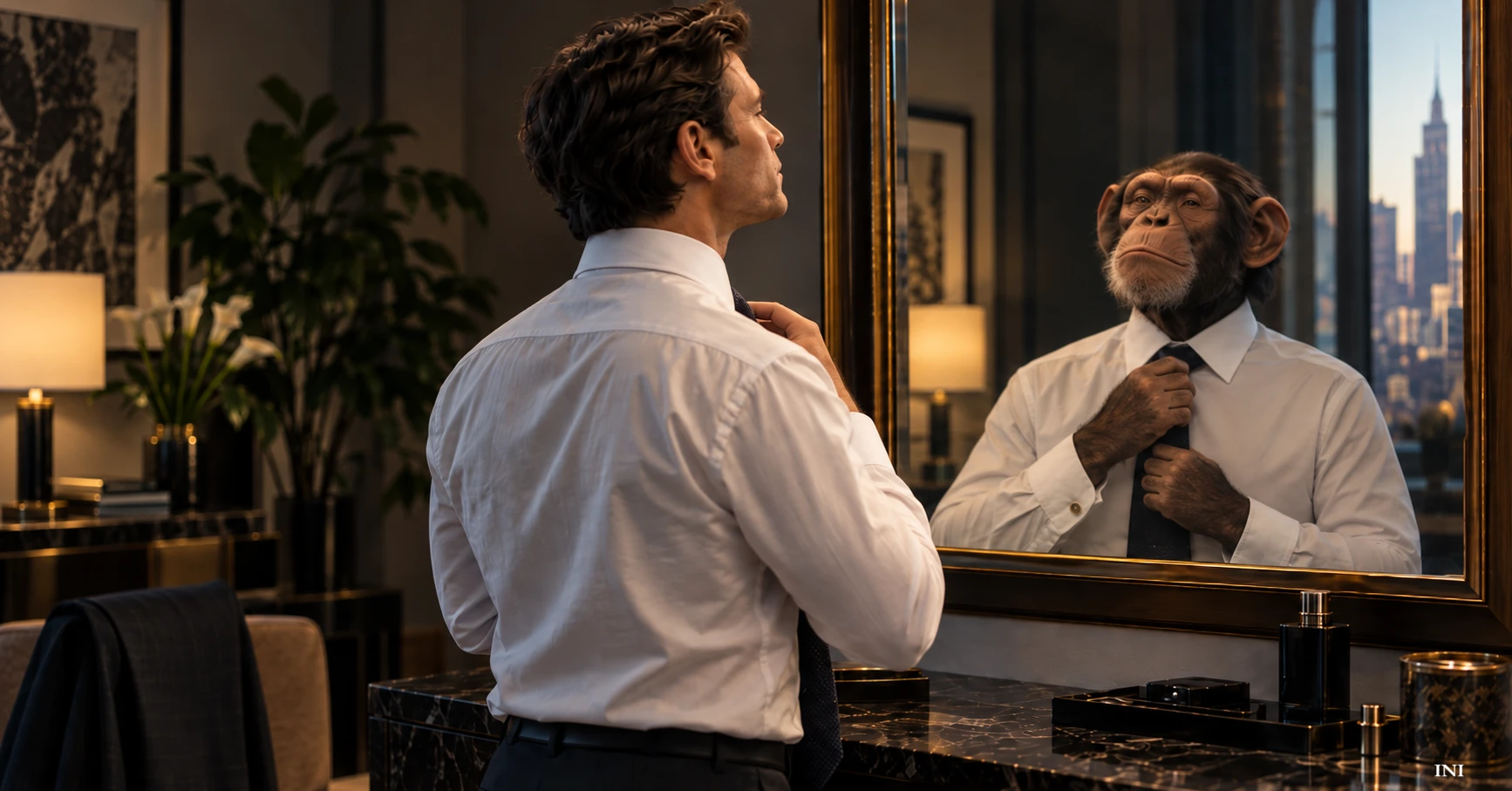
We have composed operas, founded institutions, launched spacecraft, and acquired an impressive vocabulary for distinguishing ourselves from the animal kingdom.
The monkey, unfortunately, has continued to behave in ways we recognise rather too well: imitating others, competing for attention, occasionally making a spectacle of itself. In a forest, such behaviour is merely animal. In a boardroom, it may qualify as strategy.
And yet, when we want to insult someone, it is still the monkey whose name we borrow.
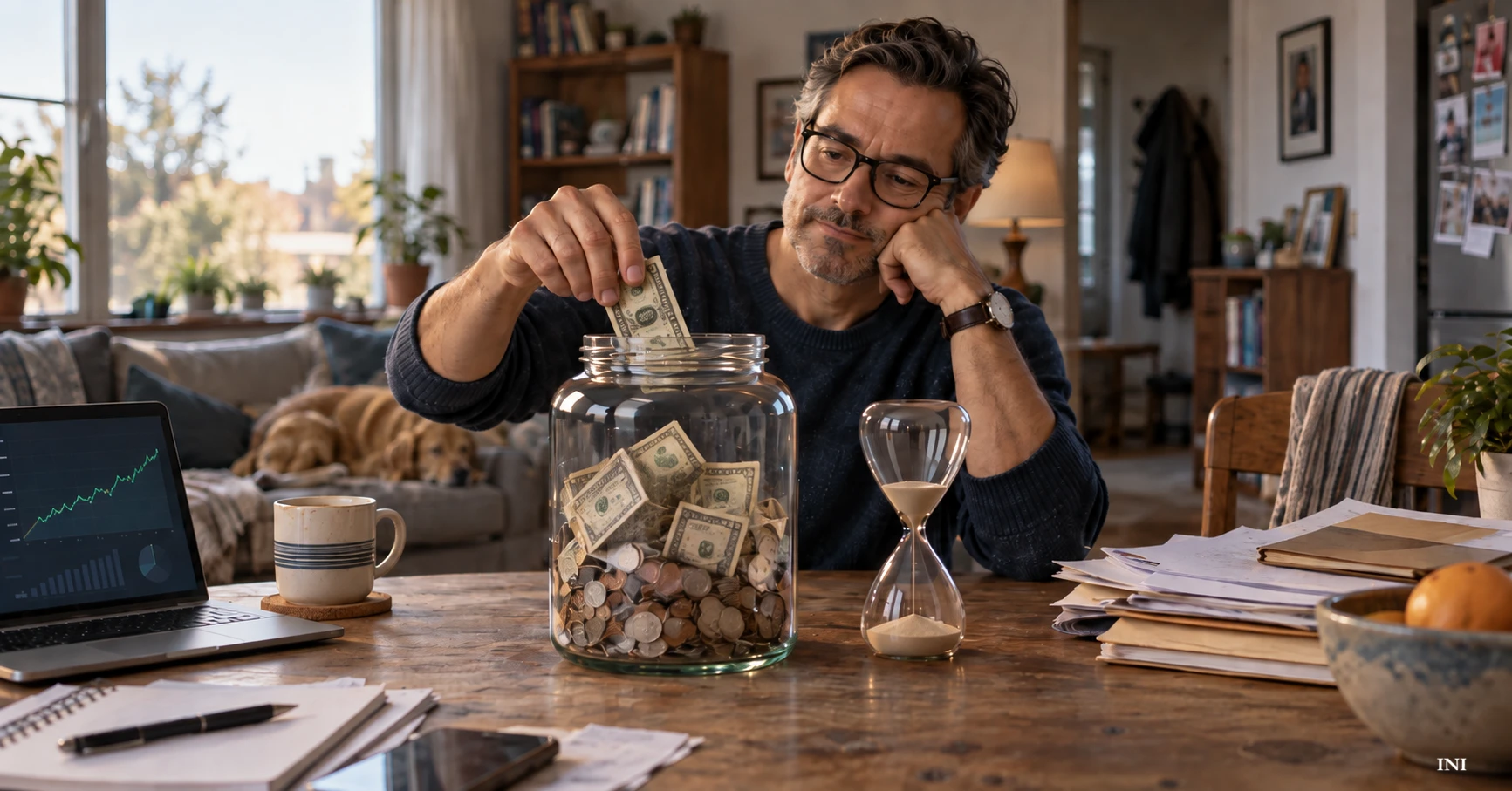
There is something reassuring about the long term.
Problems become strategies. Losses become adjustments. Deadlines become target dates. And if the future is far enough away, almost anything can be made to look responsible.
We do much the same with our own lives.
We work now, save now, invest now — all for the freedom we plan to enjoy later. The money grows. The target moves. The future remains patiently available.
We, meanwhile, become slightly older.
**The Comfortable Distance of the Long Term** is about economics, postponed responsibility, compound interest — and the small problem of trying to save for a future while quietly spending the one thing we cannot put aside.
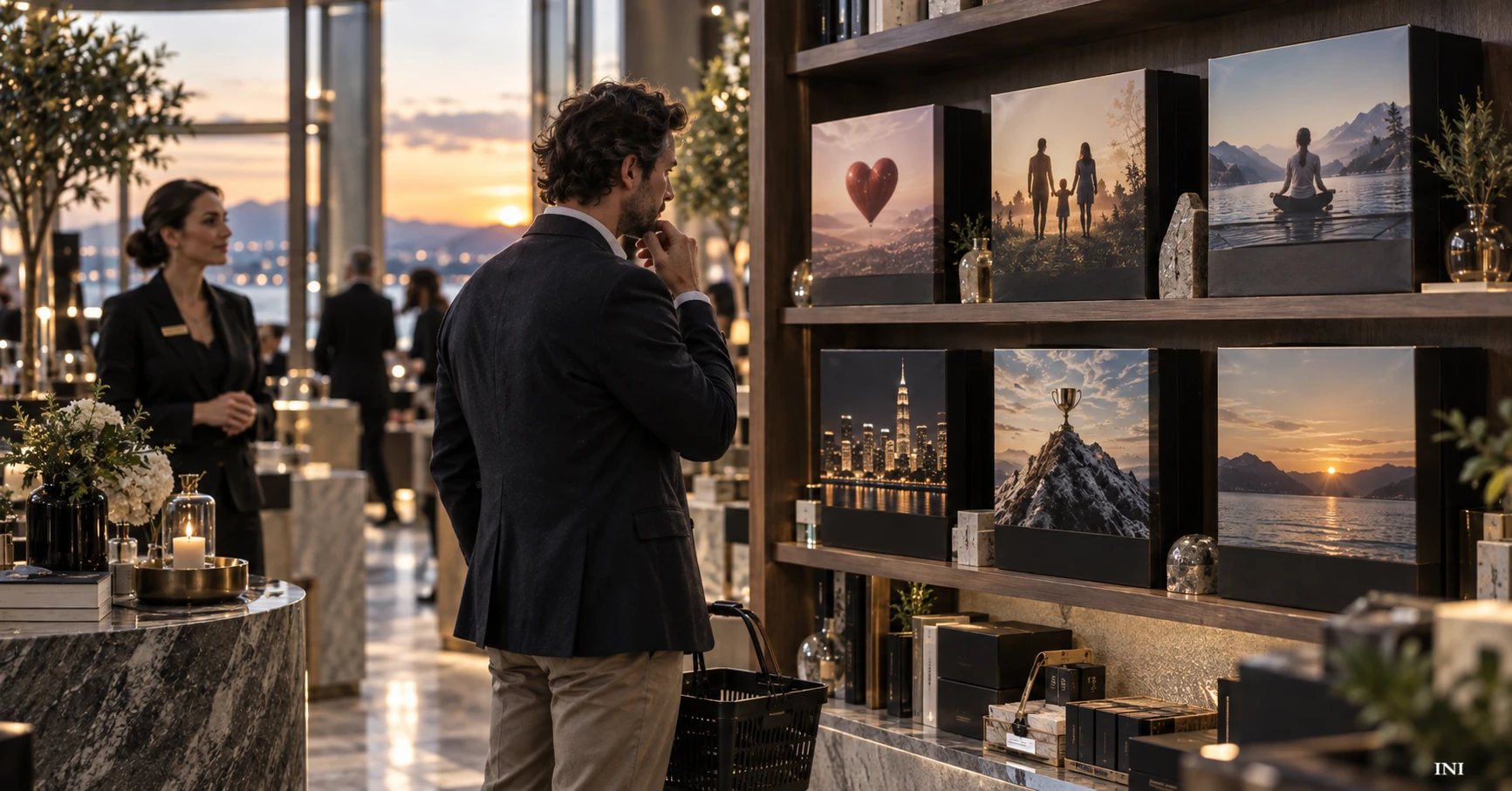
There was a time when the meaning of life required philosophers, long walks, difficult books and, occasionally, several decades.
Now it takes less than a second.
Happiness, purpose, success, mindfulness, financial freedom — the answers are ready, neatly packaged and often available in five convenient points. Some even come with a course.
The problem is not that the answers are necessarily wrong.
It is that certainty has become remarkably easy to distribute, while doubt remains slow, awkward and difficult to monetise.
And perhaps that is exactly why some questions should remain open a little longer.
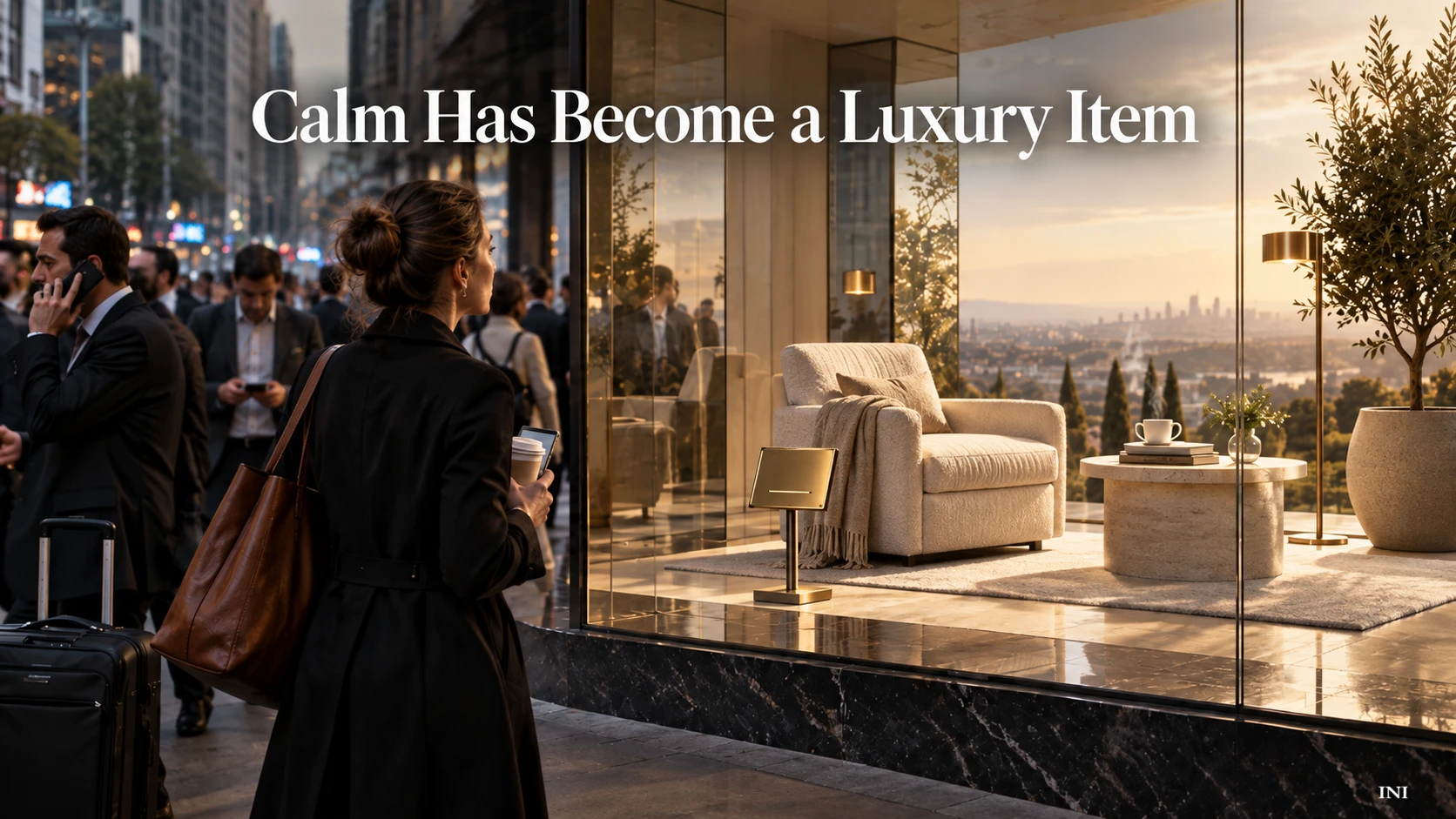
There was a time when silence was simply what remained when nobody was making noise.
Now it has become a service category.
We pay extra for quiet rooms, quiet carriages, quiet weekends, private retreats and places where, at the premium end, even the lack of mobile reception may be advertised as a feature rather than a technical failure.
Somewhere along the way, calm stopped being an ordinary condition and became something to book, package and occasionally afford.
The market, naturally, has noticed.
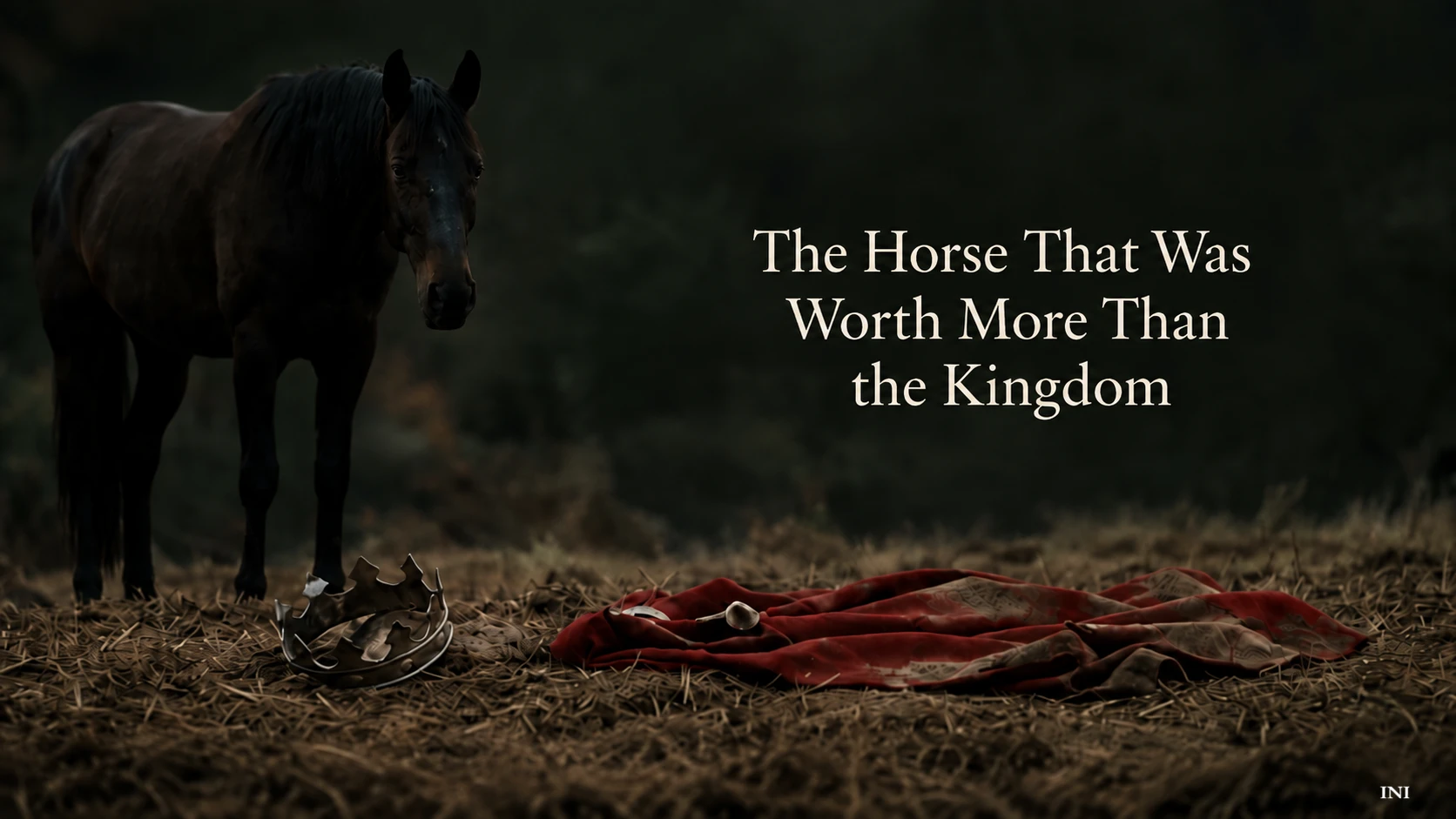
For centuries, the horse pulled our carts, our ploughs, our wars — and much of what we later called civilisation.
It never asked for a kingdom. It never needed a flag, a manifesto, or a historical explanation. It merely had the misfortune of being useful.
And when power finally collapsed, Shakespeare’s king discovered what humanity so often does: value becomes clearest precisely when the thing we treated as an instrument is suddenly the one thing we cannot do without.
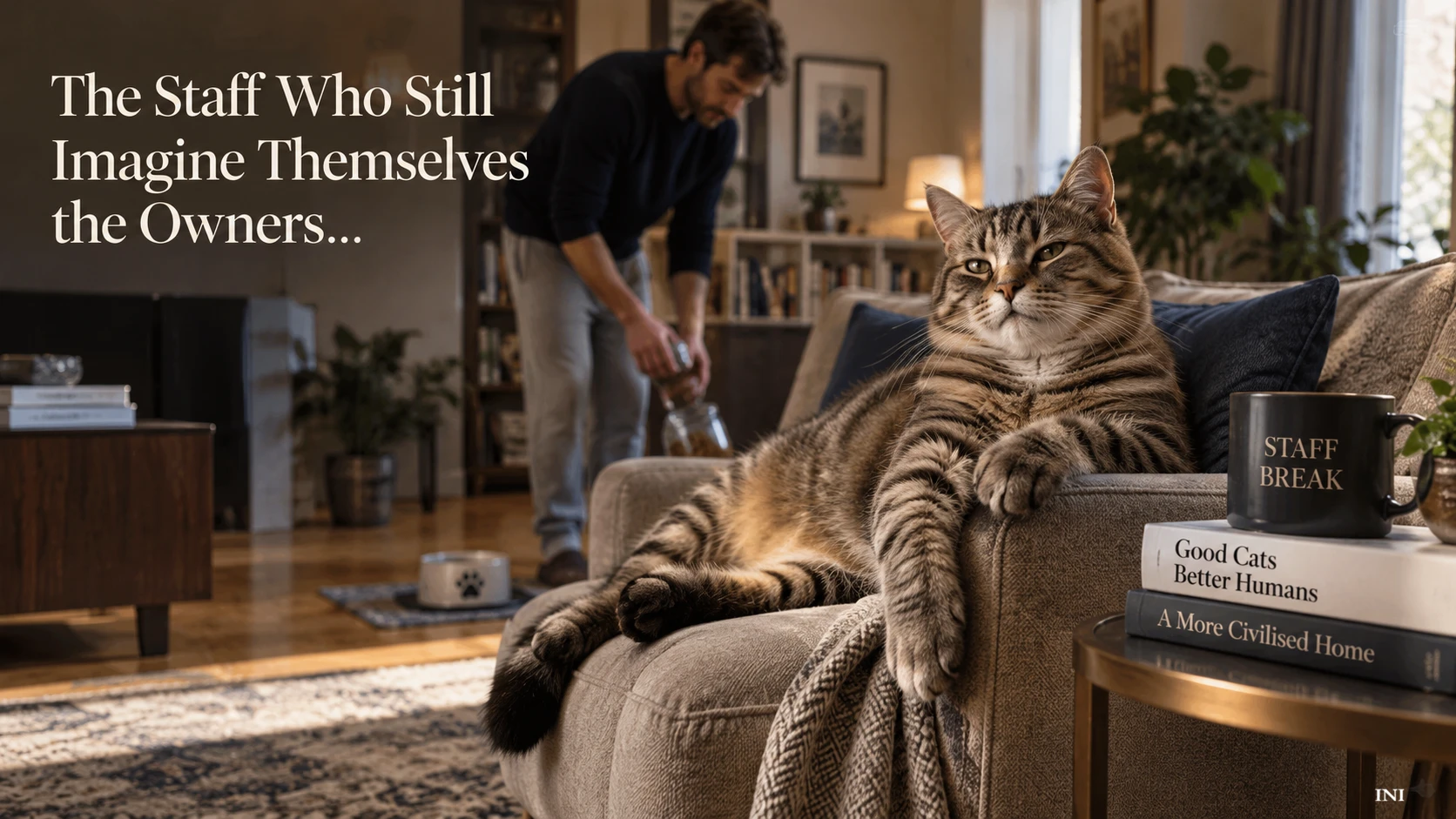
Cats have never suffered from the illusion that humans are in charge.
We buy the food. We open the doors. We clean the bowls, adjust the cushions and interrupt our own lives because someone has decided that the other side of the room is now constitutionally important.
And still, we call ourselves the owners.
The dog welcomes us home as though civilisation has been restored. The cat looks at the clock, looks at us, and files the delay under staff performance.
We may have invented space travel, artificial intelligence and digital banking. Yet at half past ten, in pyjamas, we are still standing in the kitchen asking a cat what it wants.
The cat already knows.
It wants us to discover our task.
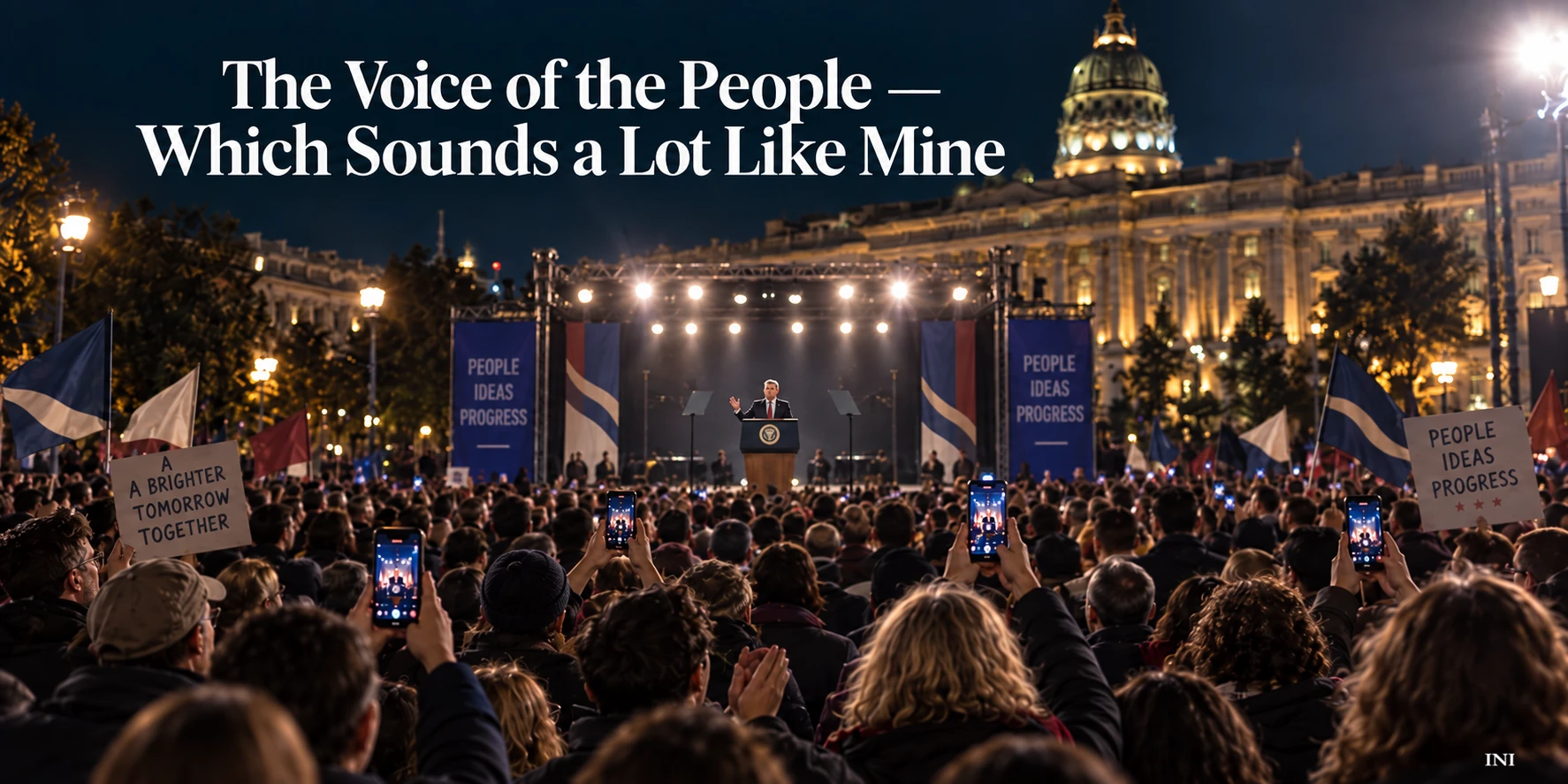
A monologue from a universal populist politician — before and after the election
What happens when “the voice of the people” slowly begins to sound like the man claiming to speak for them?
A dry, darkly comic monologue about populism, certainty, applause — and the quiet moment when representation turns into echo.
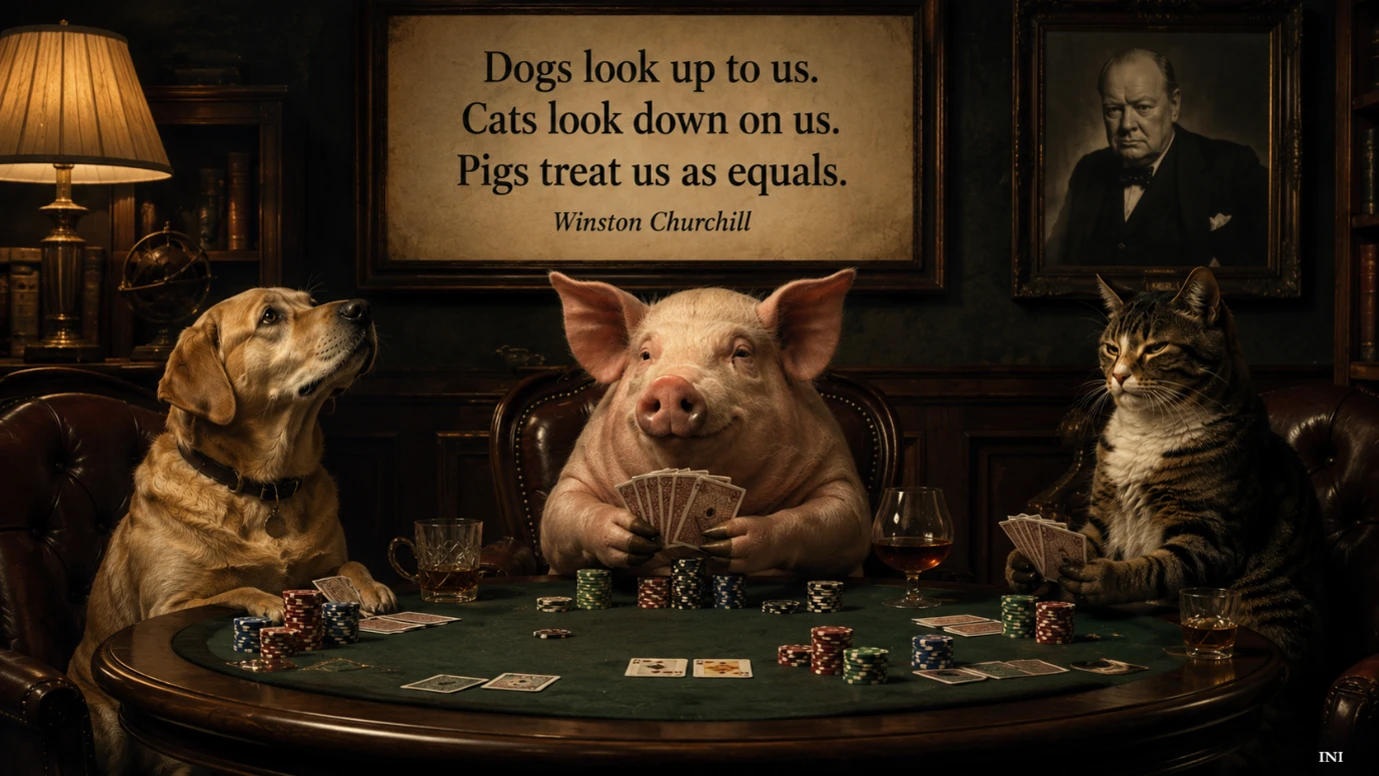
The pig has spent centuries carrying accusations it never invented: greed, filth, vulgarity, excess.
Perhaps the problem was never the animal. Perhaps it was the species doing the naming.
The Pig Was Never the Problem… turns a familiar Churchill line into a darker question about hierarchy, language, power — and the uncomfortable moment when another creature simply looks us in the eye.
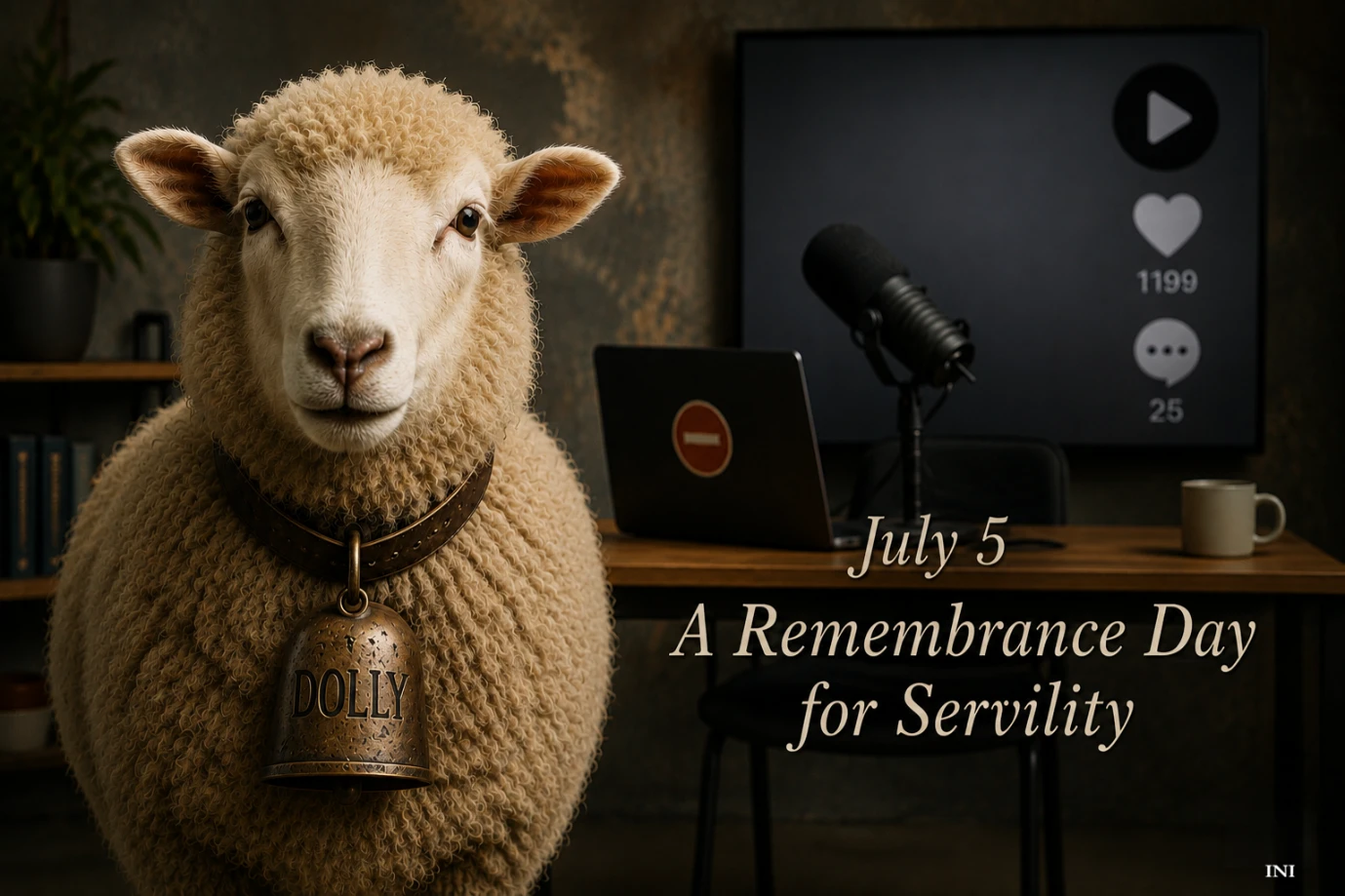
July 5, 1996 — Dolly’s birth, and the moment humanity discovered that making copies is easier than remaining original
Dolly was born a clone.
She had no choice in the matter.
We do.
We copy sentences, fears, enemies, loyalties — sometimes even our conscience. We call obedience responsibility, conformity common sense, and the comfort of the flock freedom.
The laboratory learned how to copy a sheep.
Society learned something far more useful: how to make people copy one another — and feel proudly original while doing it.
July 5 — A Remembrance Day for Servility
A satire about Dolly, political shepherds, modern flocks, and the increasingly fashionable art of thinking exactly what everyone else thinks.
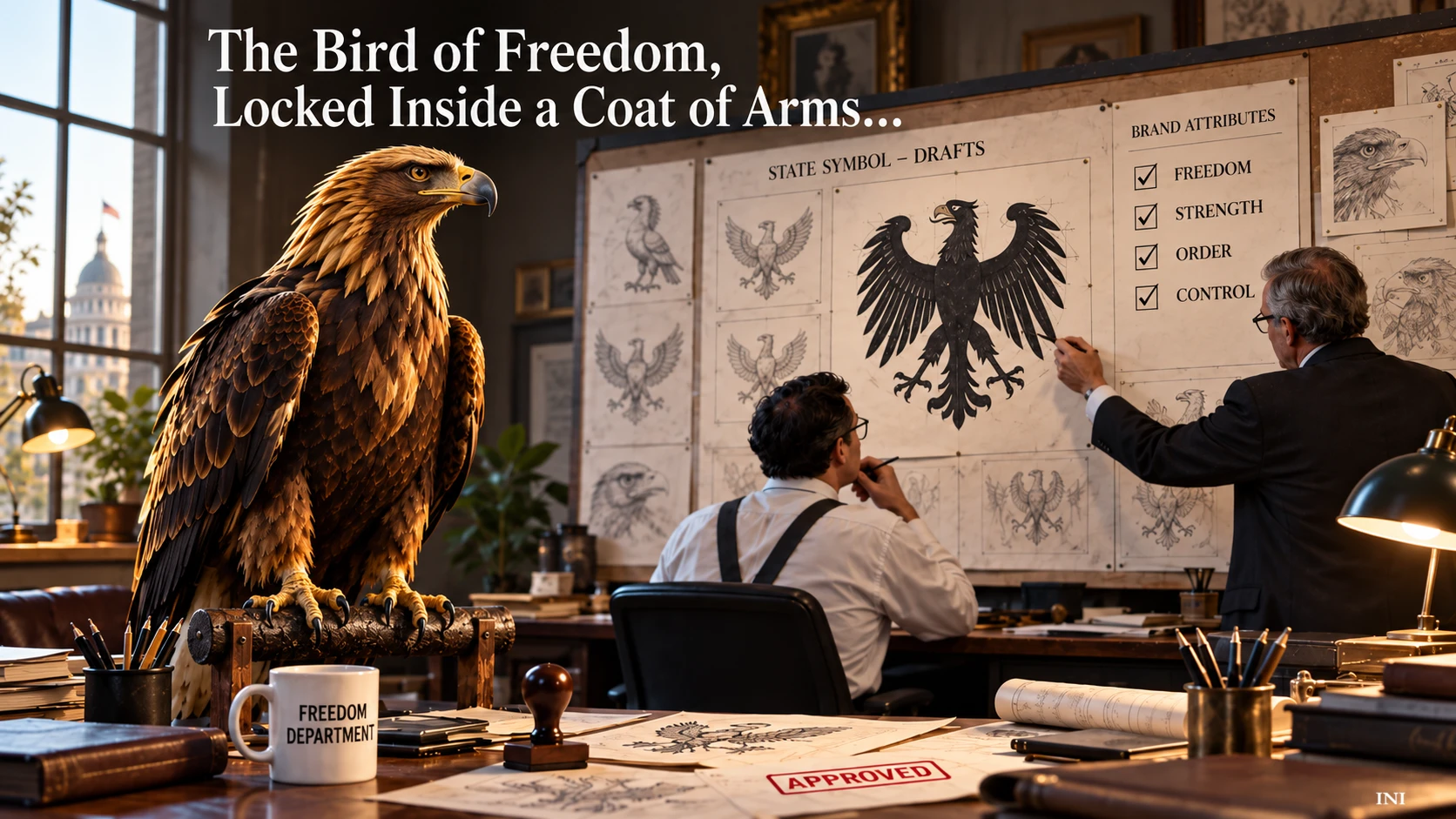
The eagle never asked to become a symbol of freedom.
It simply flew.
We were the ones who gave it meaning, placed it on flags and seals, surrounded it with power — and eventually discovered that freedom is much easier to admire once it has been properly framed, approved, and displayed.
The bird remained free.
The symbol was another matter.
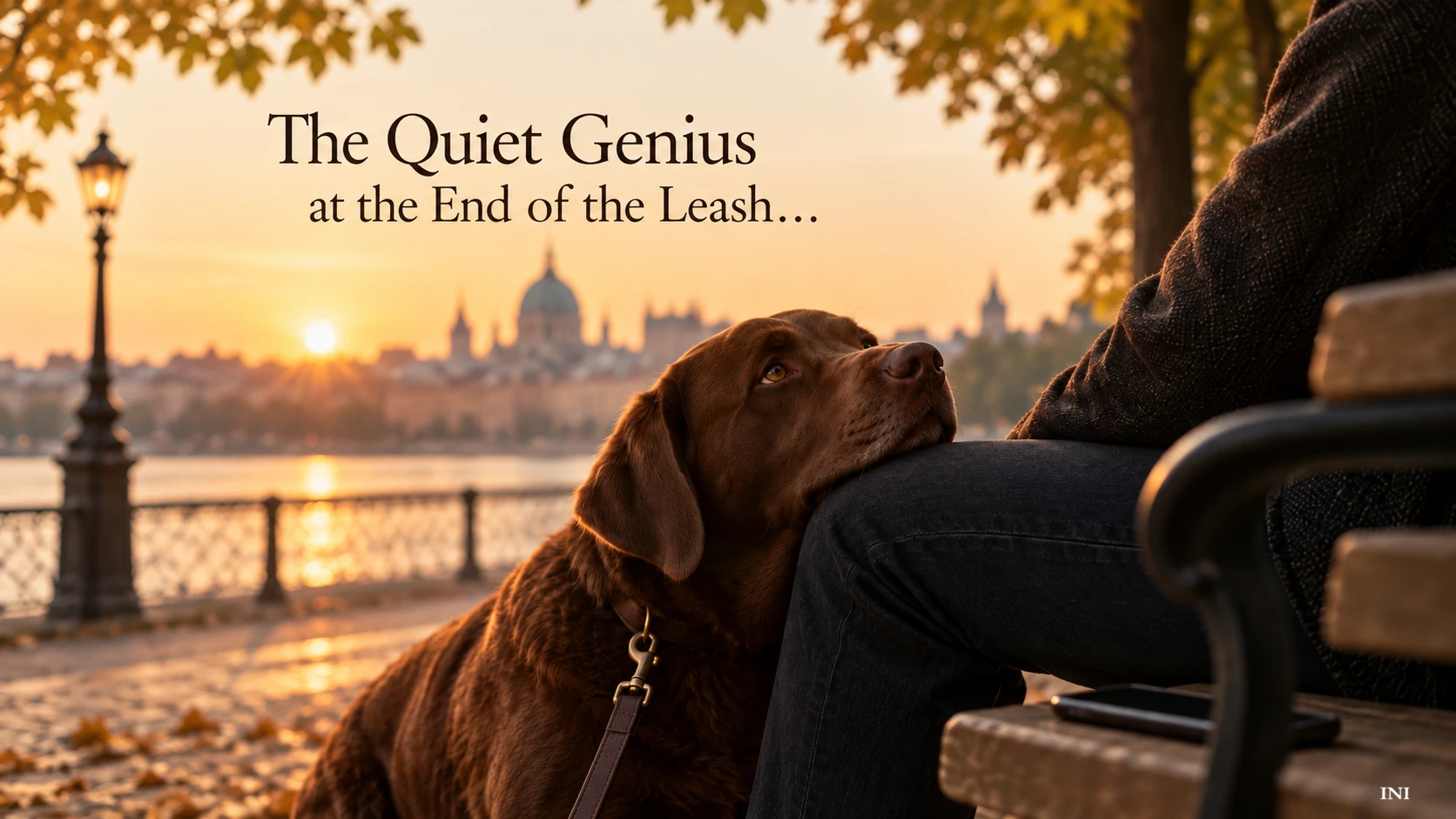
Dogs rarely interrupt. They offer no advice, no theories, no carefully prepared perspective.
They simply stay — while we explain, overthink, dramatize, and occasionally lose the leash we were holding five minutes ago.
A satire about listening, silence, and the uncomfortable possibility that the wiser end of the leash may not be ours.
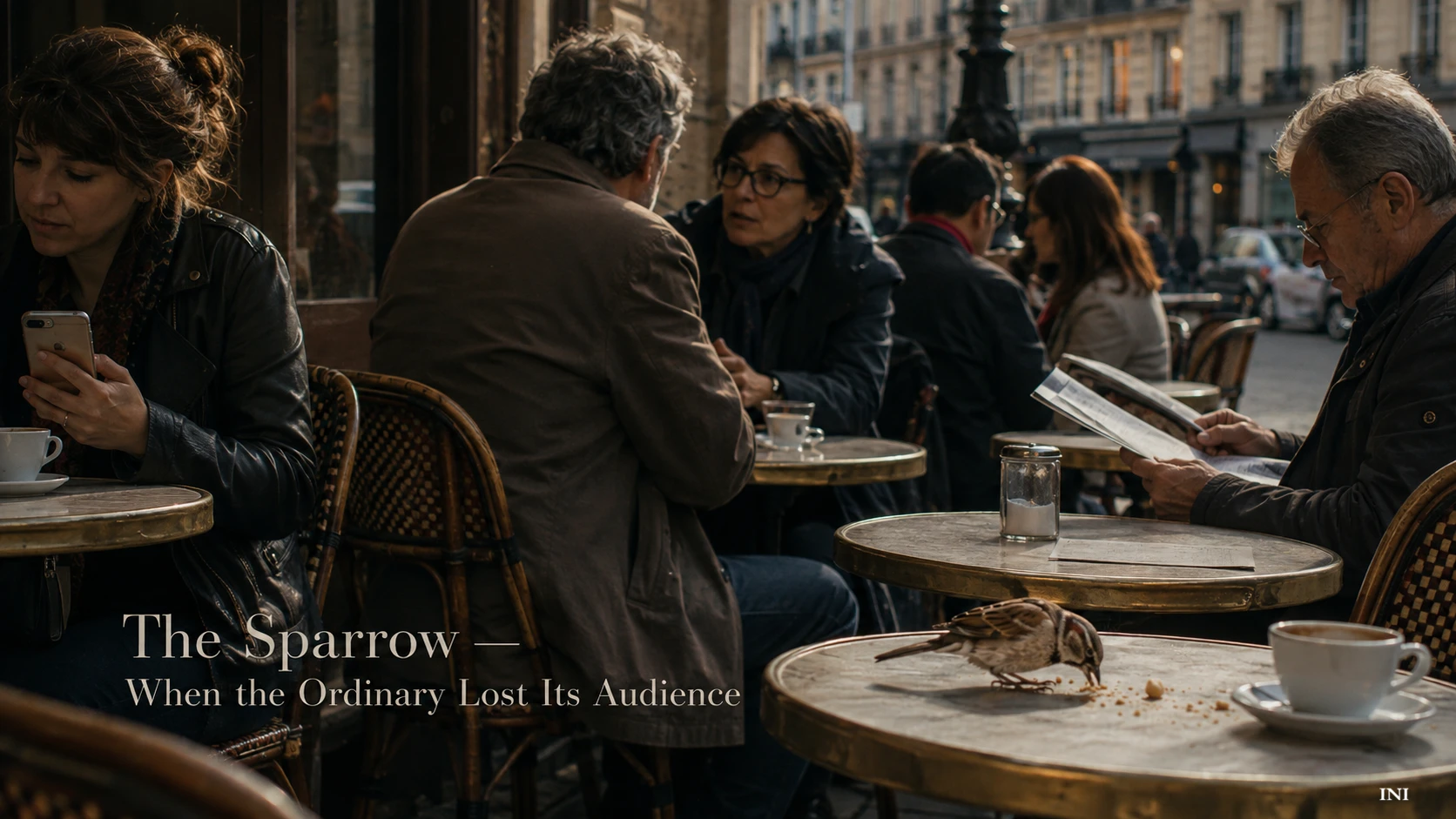
The sparrow has one serious disadvantage: it is always there.
No rarity, no scandal, no personal brand — just a small bird going about its ordinary life while the rest of us search for something more interesting to notice.
A satire about attention, familiarity, and the quiet things that become almost invisible simply because they never learned to demand an audience.
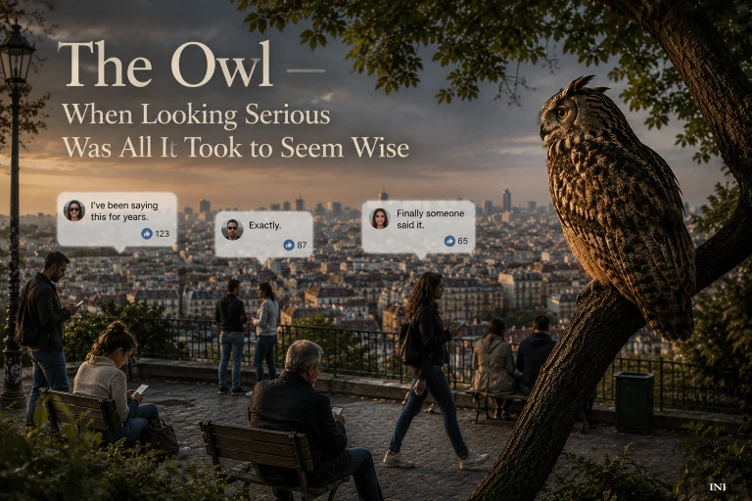
The owl has been a symbol of wisdom for centuries. Perhaps because it watches before it reacts.
We, meanwhile, have built a world in which almost everyone can publish an opinion before the facts have finished arriving.
The strange part is not that we speak so much. It is how quickly certainty begins to resemble knowledge.
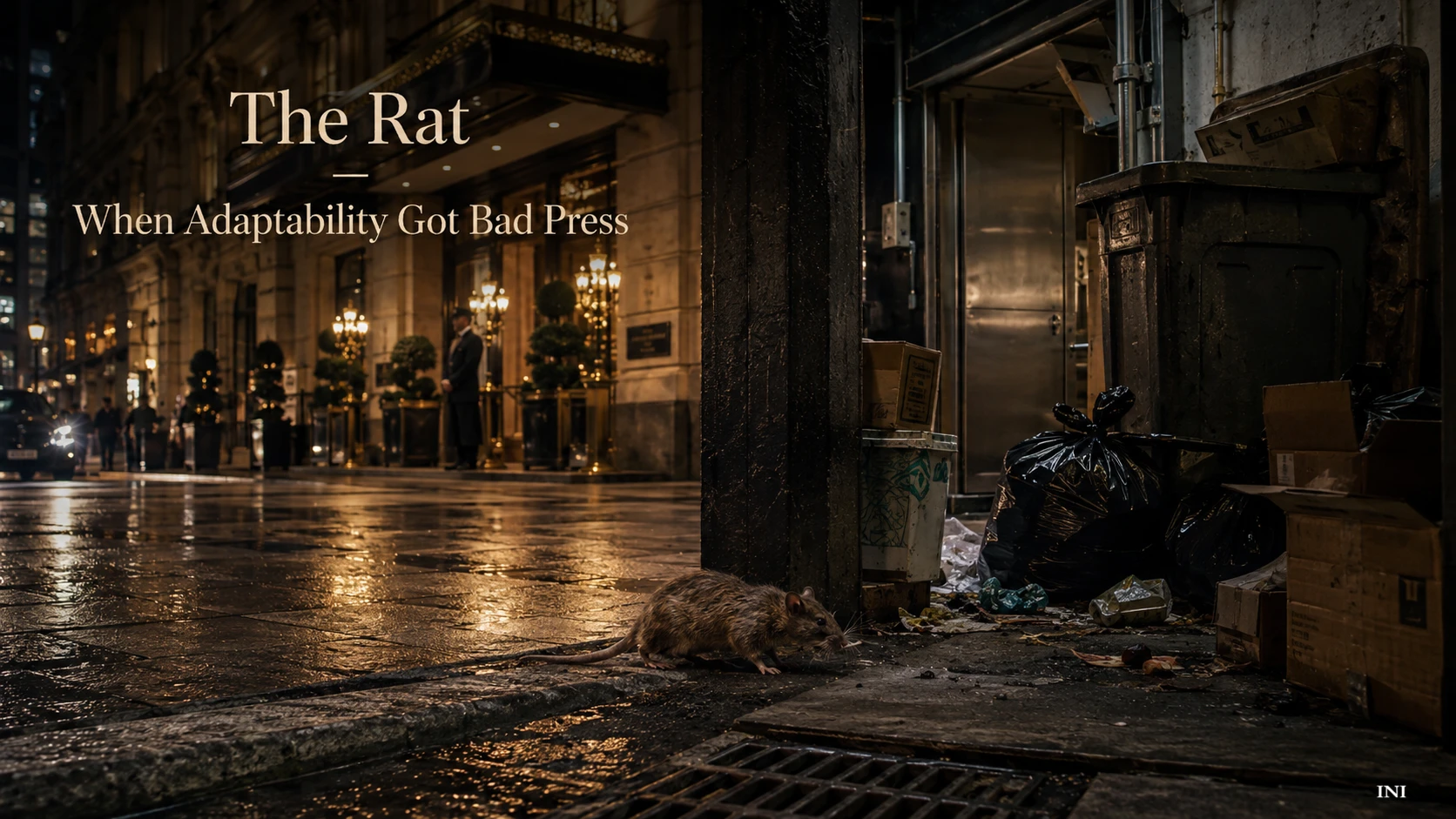
The rat did not build the sewers, the rubbish heaps or the back doors of civilisation.
It simply learned how to live among them.
Perhaps that is why we dislike it so much: it adapts remarkably well to the consequences we prefer to keep out of sight.